

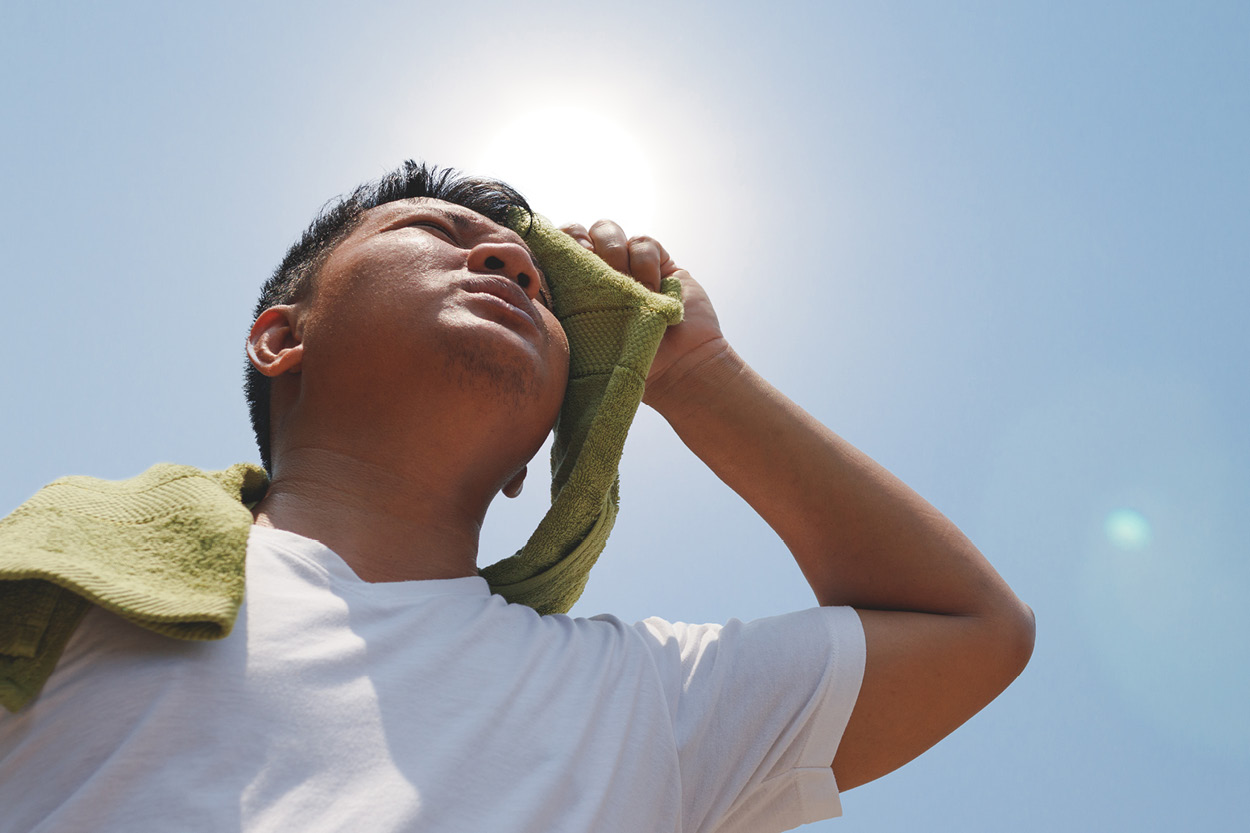
Beat the Arizona Heat
How hot does a car get after sitting in an Arizona driveway for twenty minutes? Hot enough to cause a serious burn. On a typical summer afternoon, the inside of a car can reach over 160 degrees, making steering wheels, seatbelt buckles, and seats dangerous to touch. Before heading out, it’s good to know how to protect yourself from a car that’s been in the sun all day.
Putting a sunshade across your windshield can help keep your car cooler and make the dashboard and steering wheel less hot. Keeping a cooling towel in your glove compartment gives you something to put on the seat or around your neck as soon as you get in. If you can, start the car and let the air conditioning run for a few minutes before sitting down. These small steps can make a big difference, especially for people with health conditions that make them more sensitive to heat.
When monsoon season starts in July, the heat feels different. The humidity from the storms makes the air feel heavier, which can surprise even longtime Arizona residents. Even if the temperature is a bit lower than during the driest part of summer, the extra moisture makes it harder for your body to cool down by sweating. Between July and September, pay close attention to how you feel during outdoor activities instead of just checking the thermometer.
Evenings might seem like a good time to cool off, and many people head to the pool. While pools can help, the sun’s effects do not disappear at nightfall. Heat absorbed by pavement and water can last well after sunset. Make sure to take breaks in the shade, drink water even if you are not thirsty, and keep track of how long you and your family are in the heat.
It is especially important for patients going through cancer treatment or living with a blood disorder to stay ahead of the heat and avoid putting extra stress on the body. If you have questions about staying safe this summer while managing your care, the team at Arizona Blood and Cancer Specialists is ready to help. Call us to schedule an appointment and discuss what precautions are best for your treatment plan.